Designing for Everyone: Timor-Leste Moves Toward National Accessibility Standards
26/06/2026
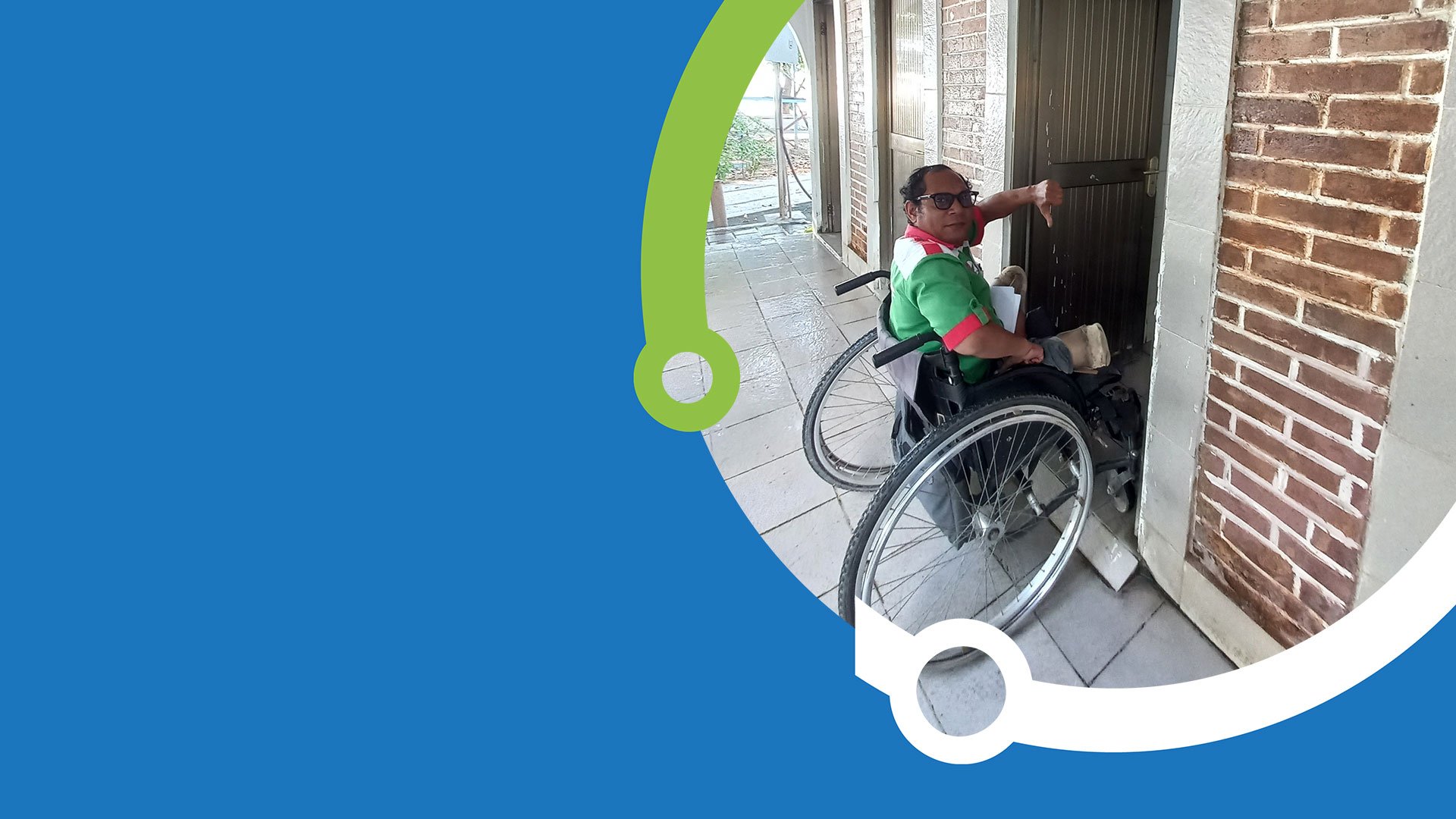
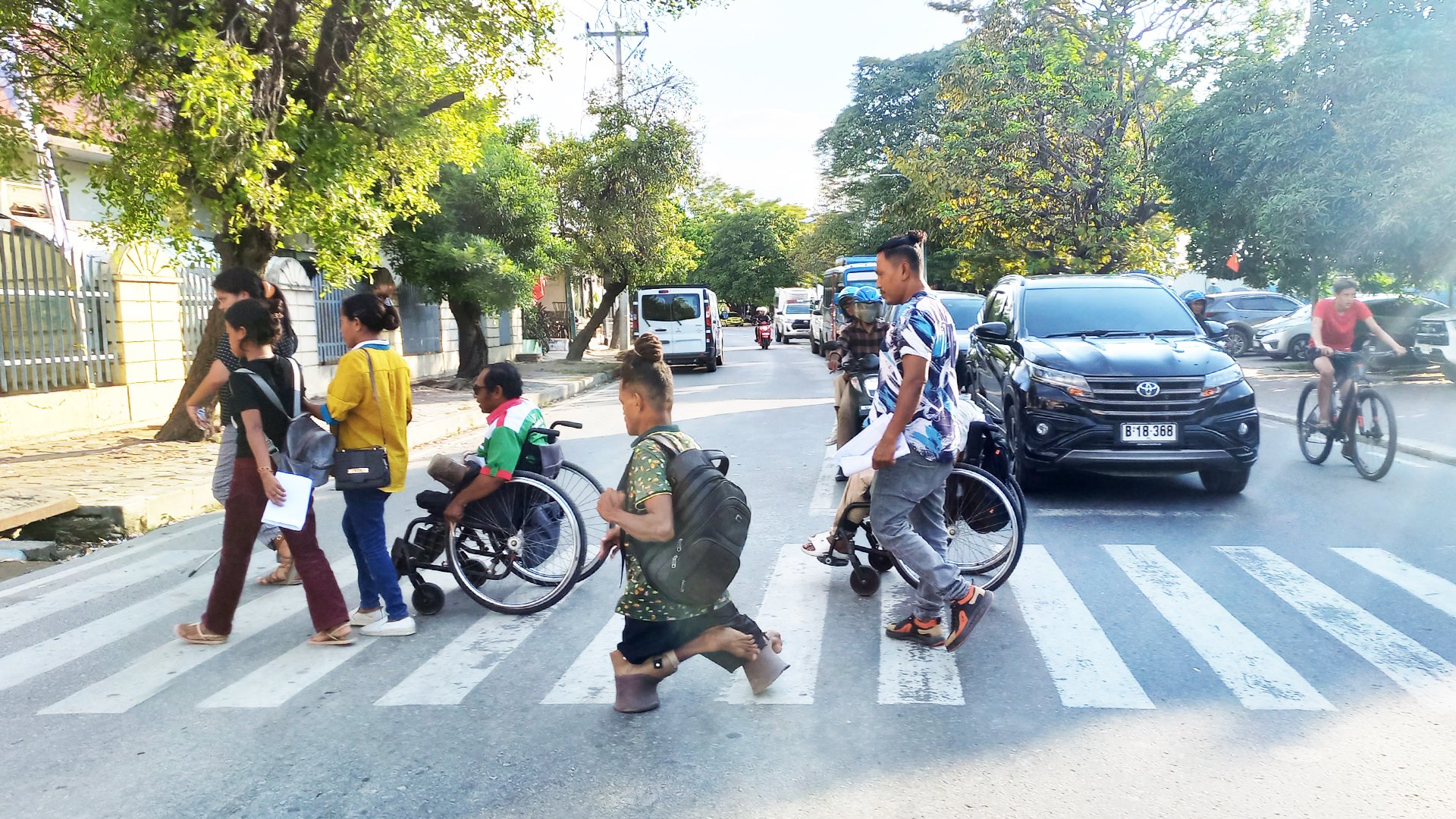
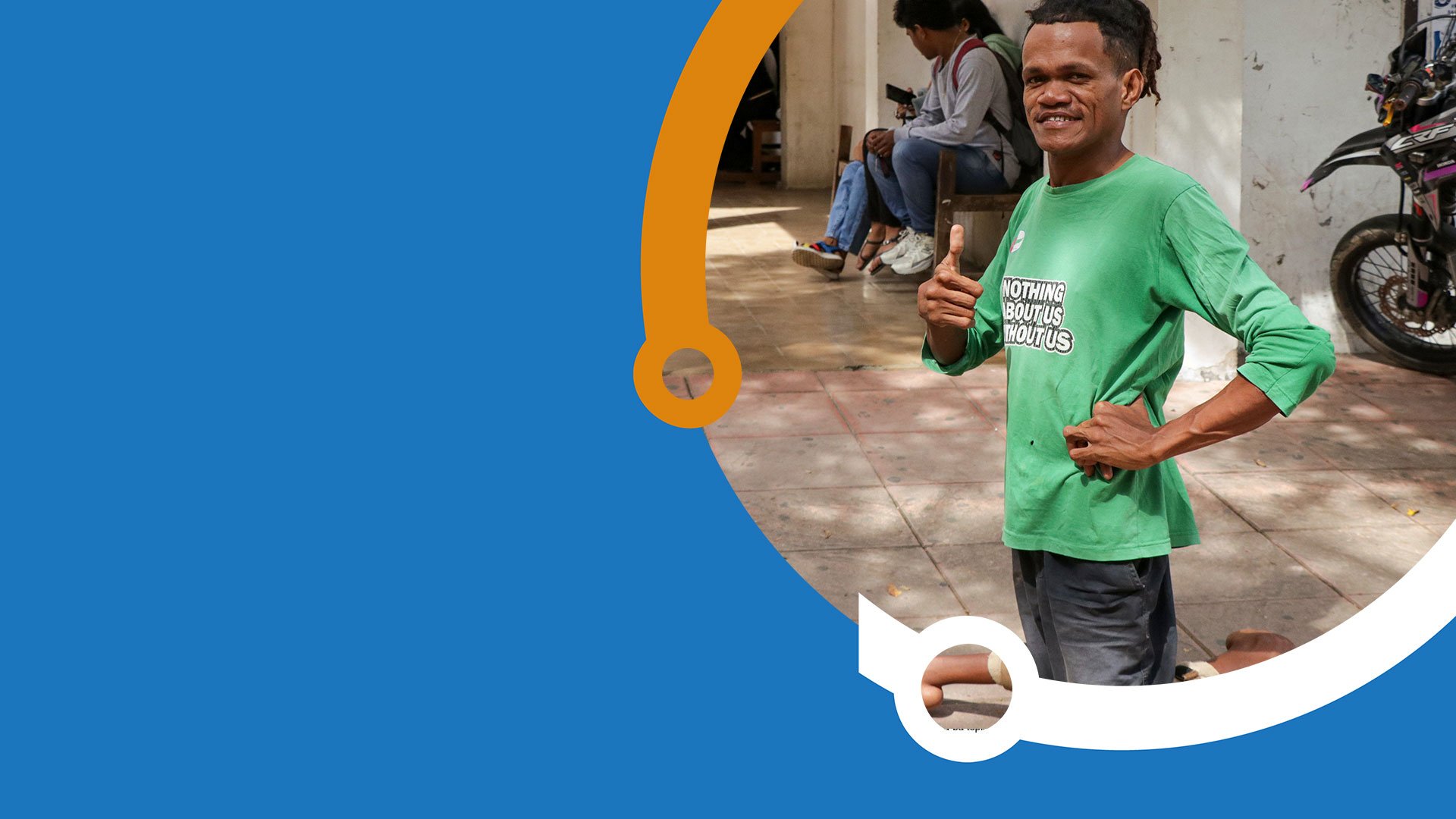
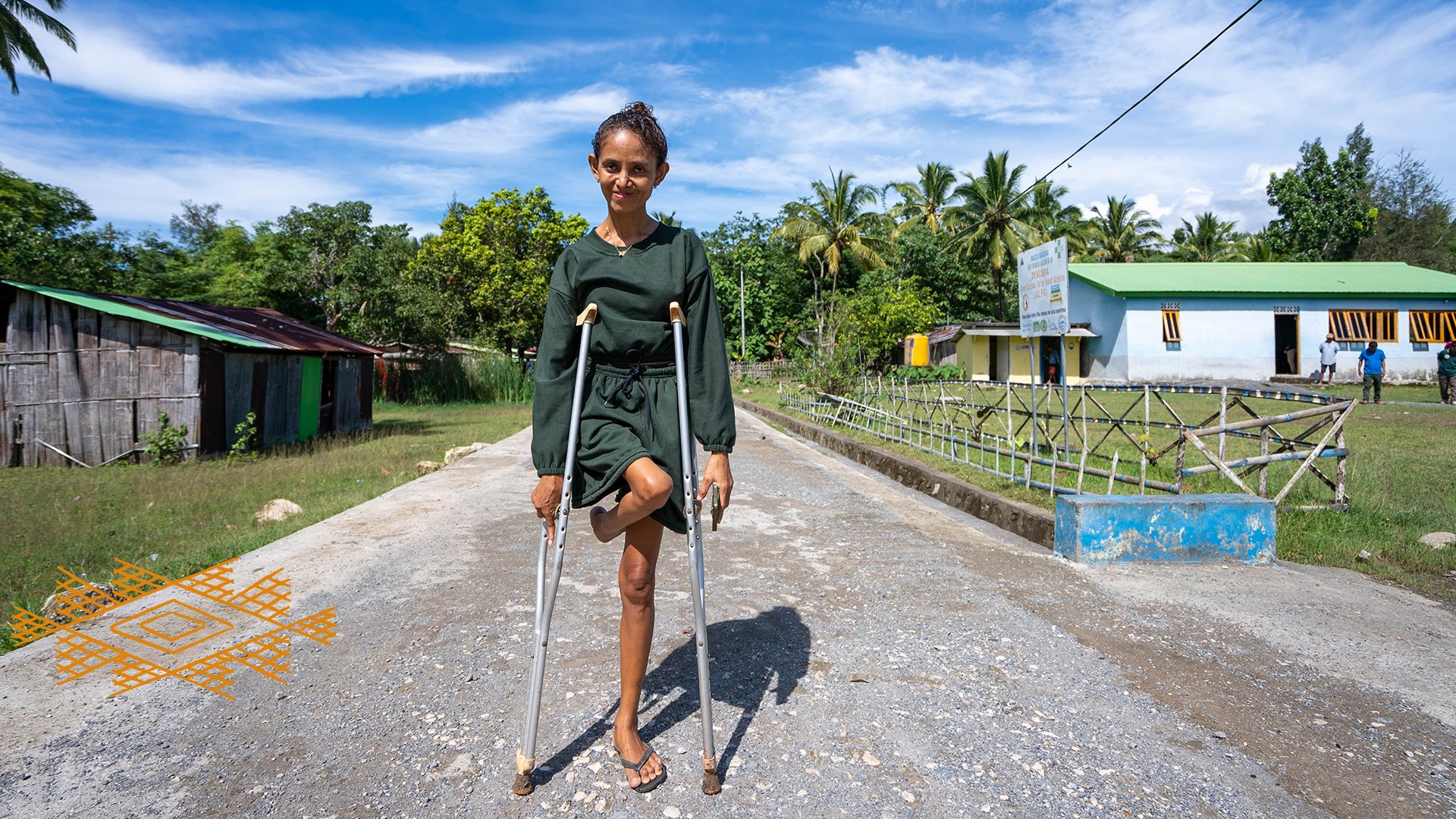
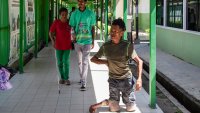
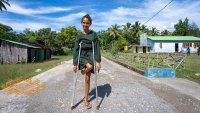
For many people with disabilities in Timor-Leste, accessing public buildings and services can be a daily challenge. A single step without a ramp, a narrow doorway, or the absence of tactile blocks or clear signage can make it difficult to participate fully in community life.
While the Government of Timor-Leste committed to developing national Universal Design (accessibility) standards through the Disability National Action Plan, there was no clear roadmap or technical framework to make this commitment a reality.
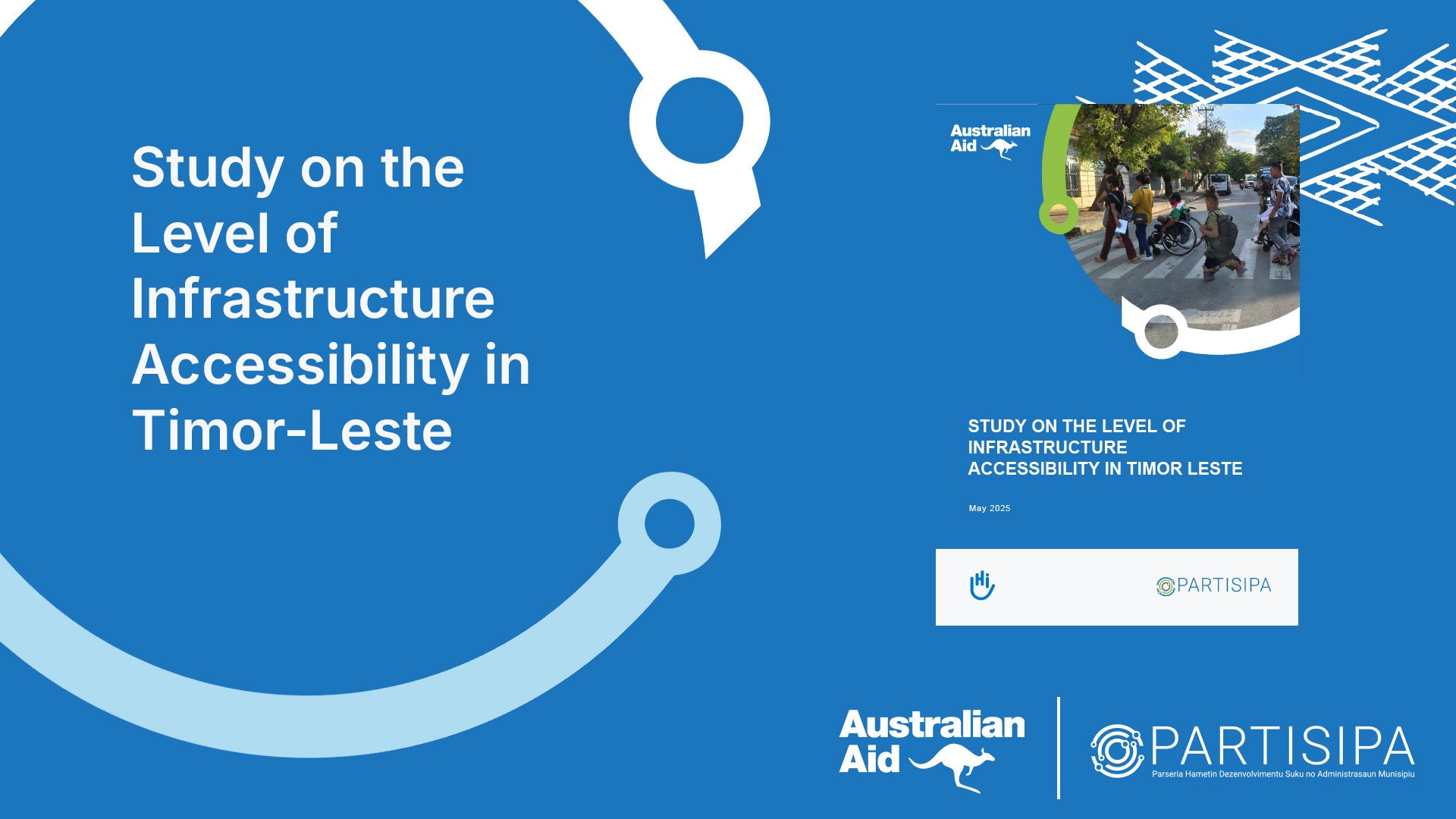
In response the Ministry of Public Works with support from the Australian Government PARTISIPA programand Humanity & Inclusion, led a national accessibility assessment.
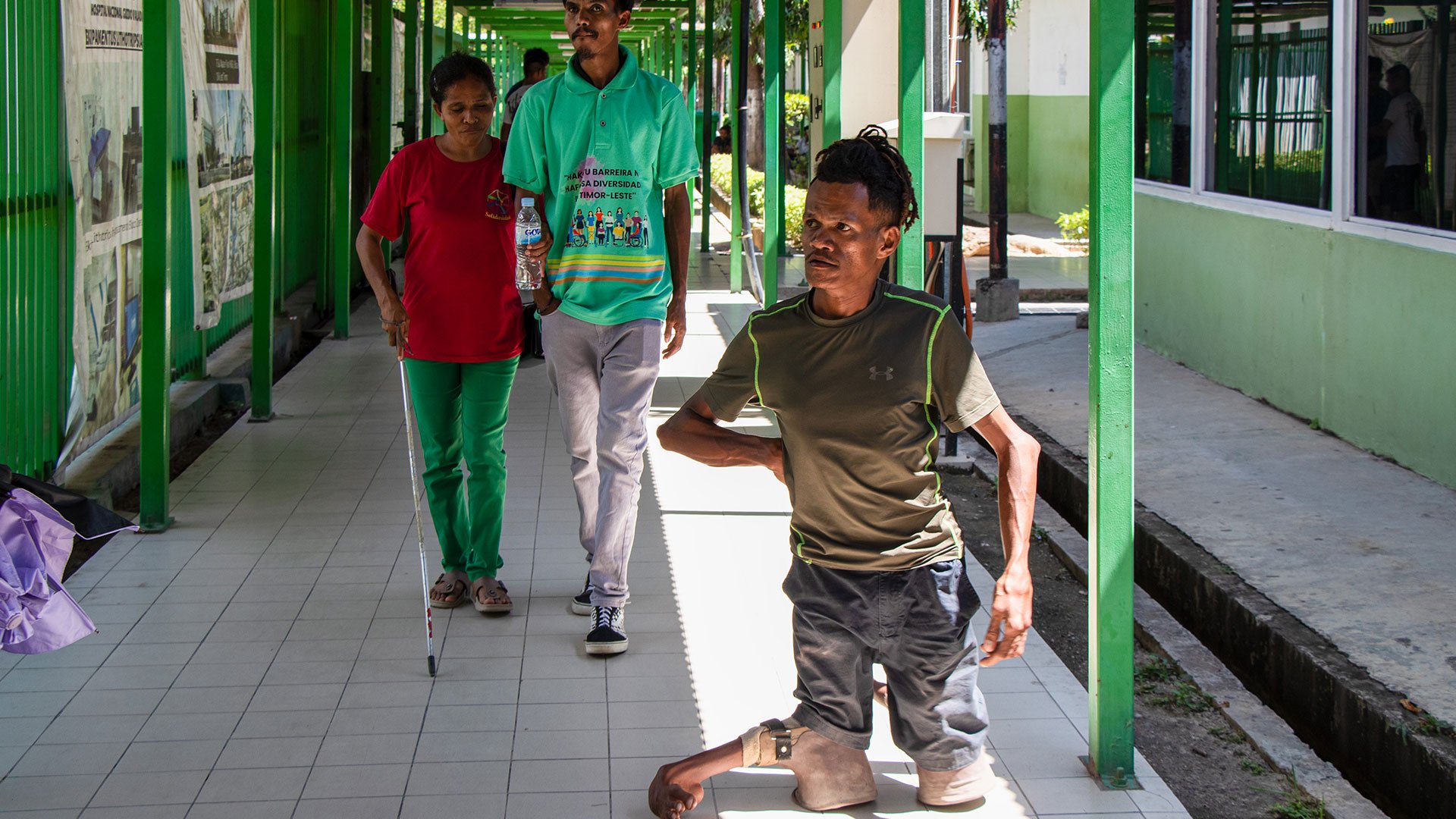
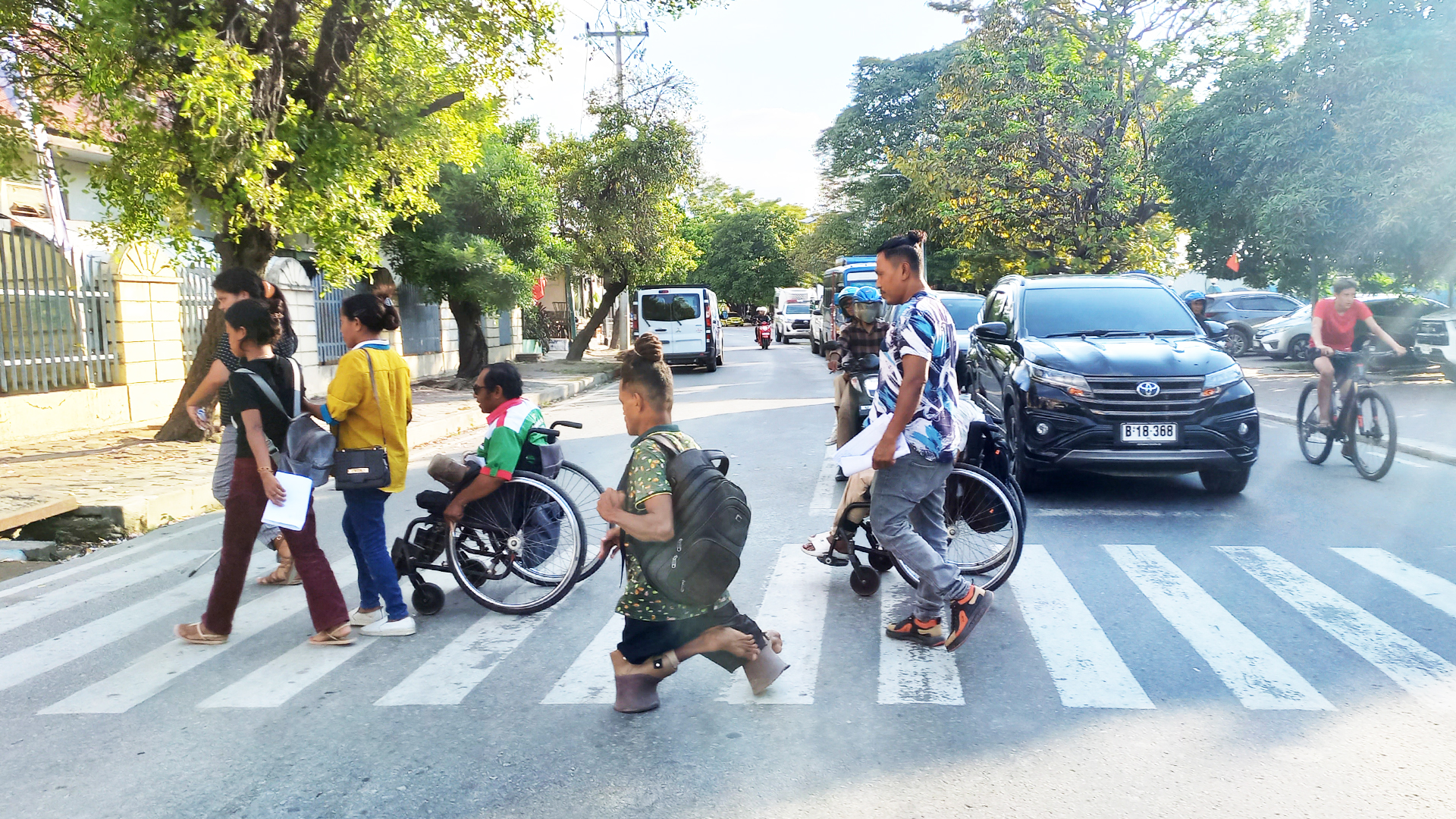
The assessment brought together government agencies and Organisations of Persons with Disabilities (OPDs) to better understand accessibility challenges faced by people with disabilities across public infrastructure.
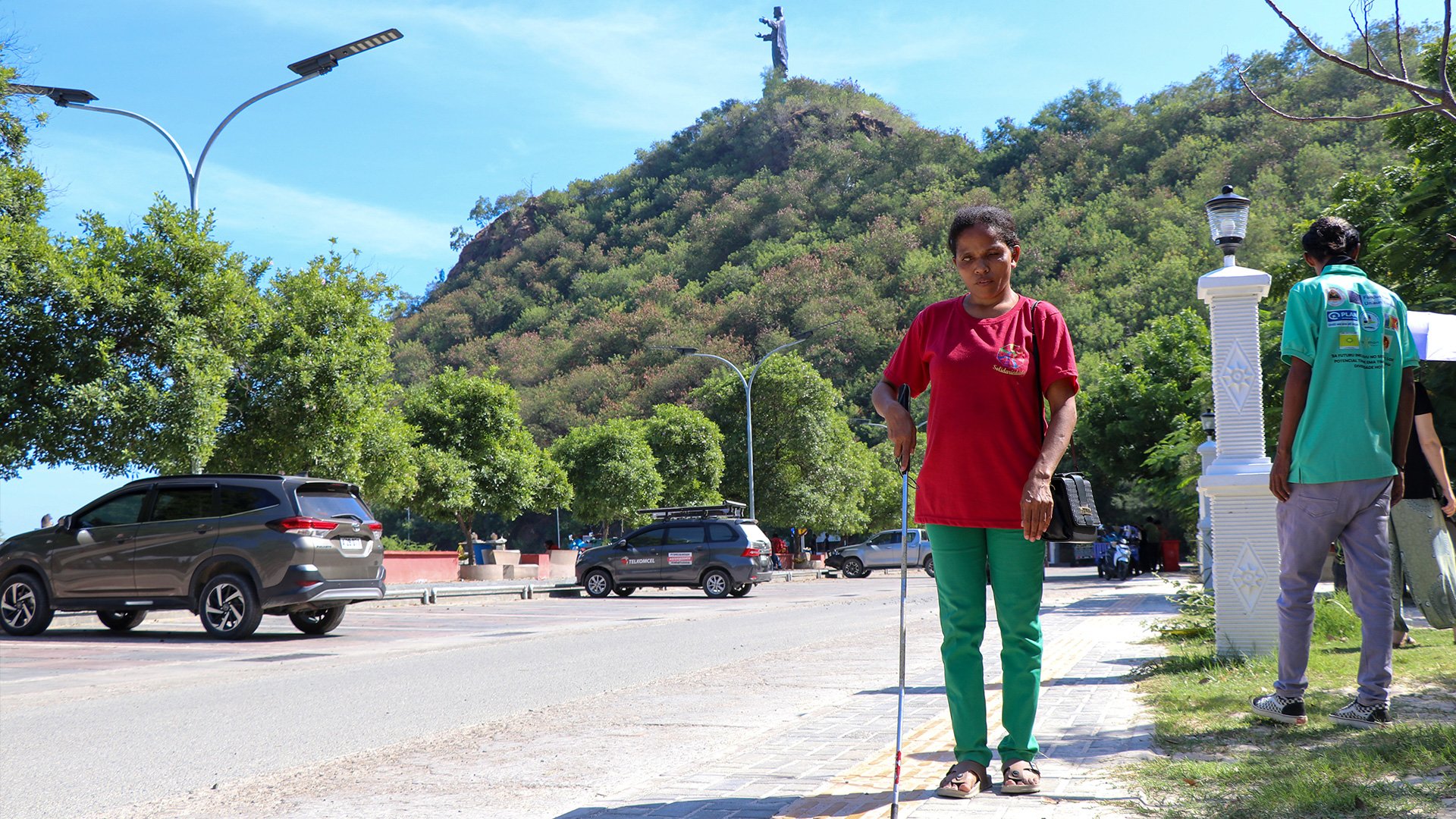
The findings confirmed that while awareness is growing, many public spaces still do not meet accessibility requirements. Existing ramps are often non-compliant, and infrastructure features for people with visual and other disabilities remain limited or inconsistent.
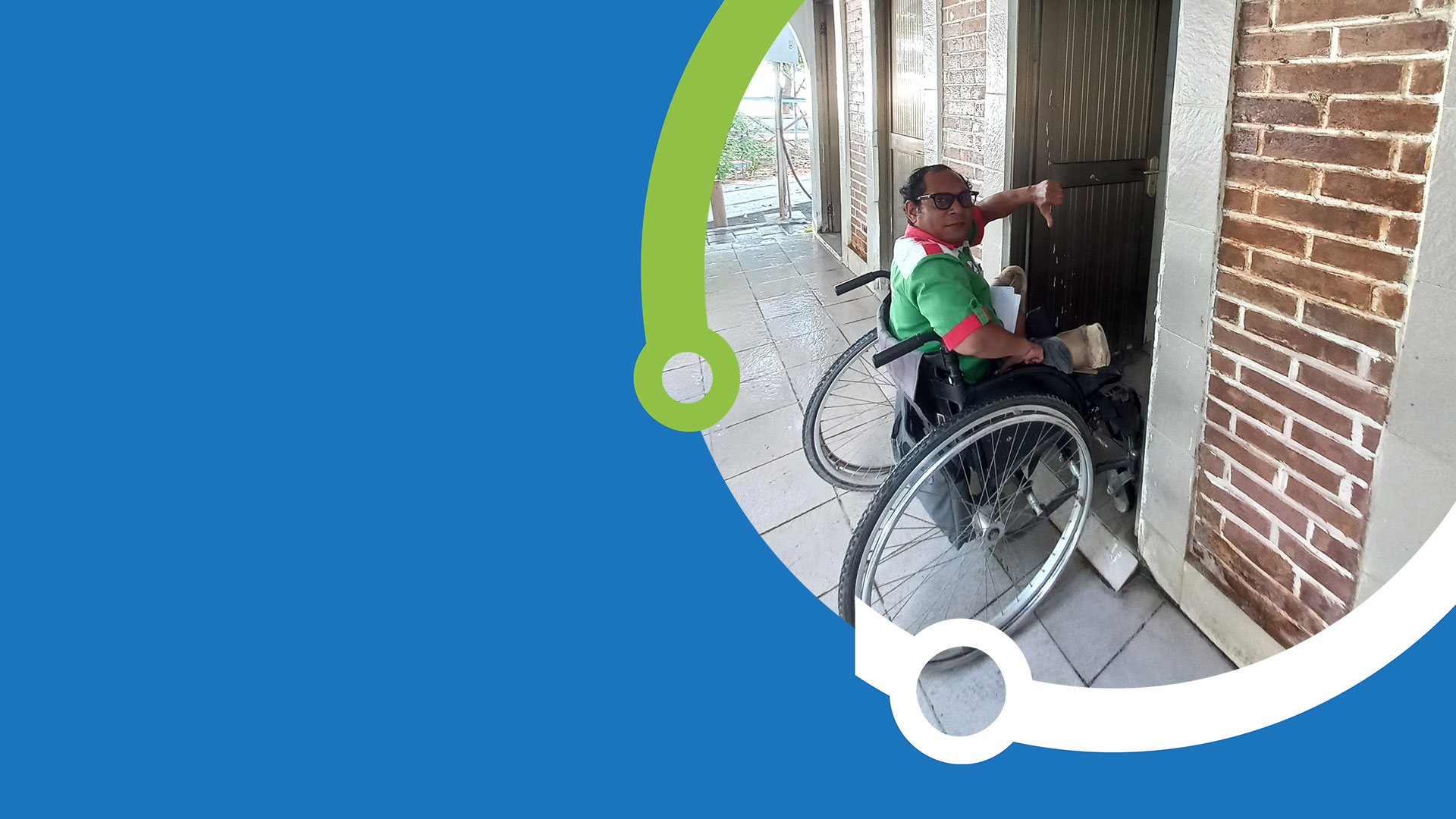
The assessment became an important starting point for action.
Building on the findings, PARTISIPA, Humanity & Inclusion, government ministries and OPDs worked together to develop Timor-Leste's first draft National Accessibility Standards based on Universal Design principles. Importantly, people with disabilities were not only consulted but actively involved in assessing infrastructure, identifying barriers and contributing to the development of solutions. This helped ensure that the standards reflect lived experience and practical needs.
To drive the reform process, a Technical Working Group on Universal Design was established, bringing together representatives from multiple ministries and OPDs.
The group is leading technical discussions, refined the draft standards and building support across government for their future implementation. This collaboration has helped create stronger ownership and shared responsibility for making public infrastructure more accessible.
As Noemia Viegas, National Director of Urbanism, explained
"The process to develop the Universal Design Standards helps us to better understand the difficulties that our colleagues with disabilities experience with inaccessible public infrastructure. It also helped us recognise the importance of developing and approving Universal Design Standards to support institutions to undertake their roles correctly."
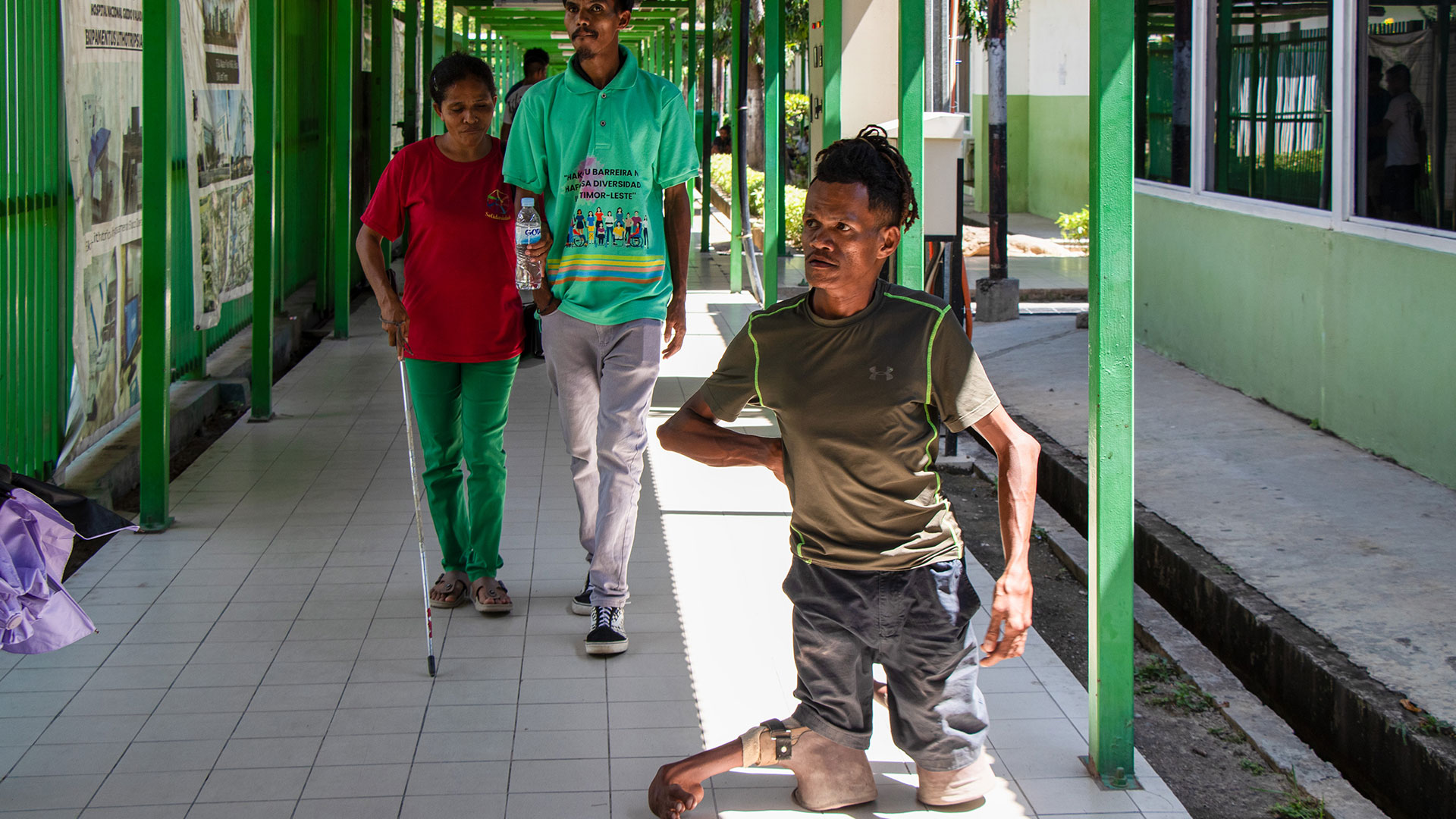
The draft National Accessibility Standards for Infrastructure and Buildings in Timor-Leste are now moving toward formal government approval, representing a major milestone for Timor-Leste.
Once approved, the standards will provide a national framework to guide the design and construction of public infrastructure, helping ensure that schools, health facilities, government buildings and public spaces are accessible to everyone.
The reform reflects growing national leadership and commitment to disability inclusion, supported by strong collaboration between government institutions, OPDs and Australia through PARTISIPA.
National accessibility standards are about more than buildings and infrastructure. They are about ensuring all people can participate in society with dignity, safety and independence.
By bringing together government leaders, technical experts and people with disabilities, Timor-Leste is laying the foundations for a more inclusive future - one where public spaces are designed for everyone.