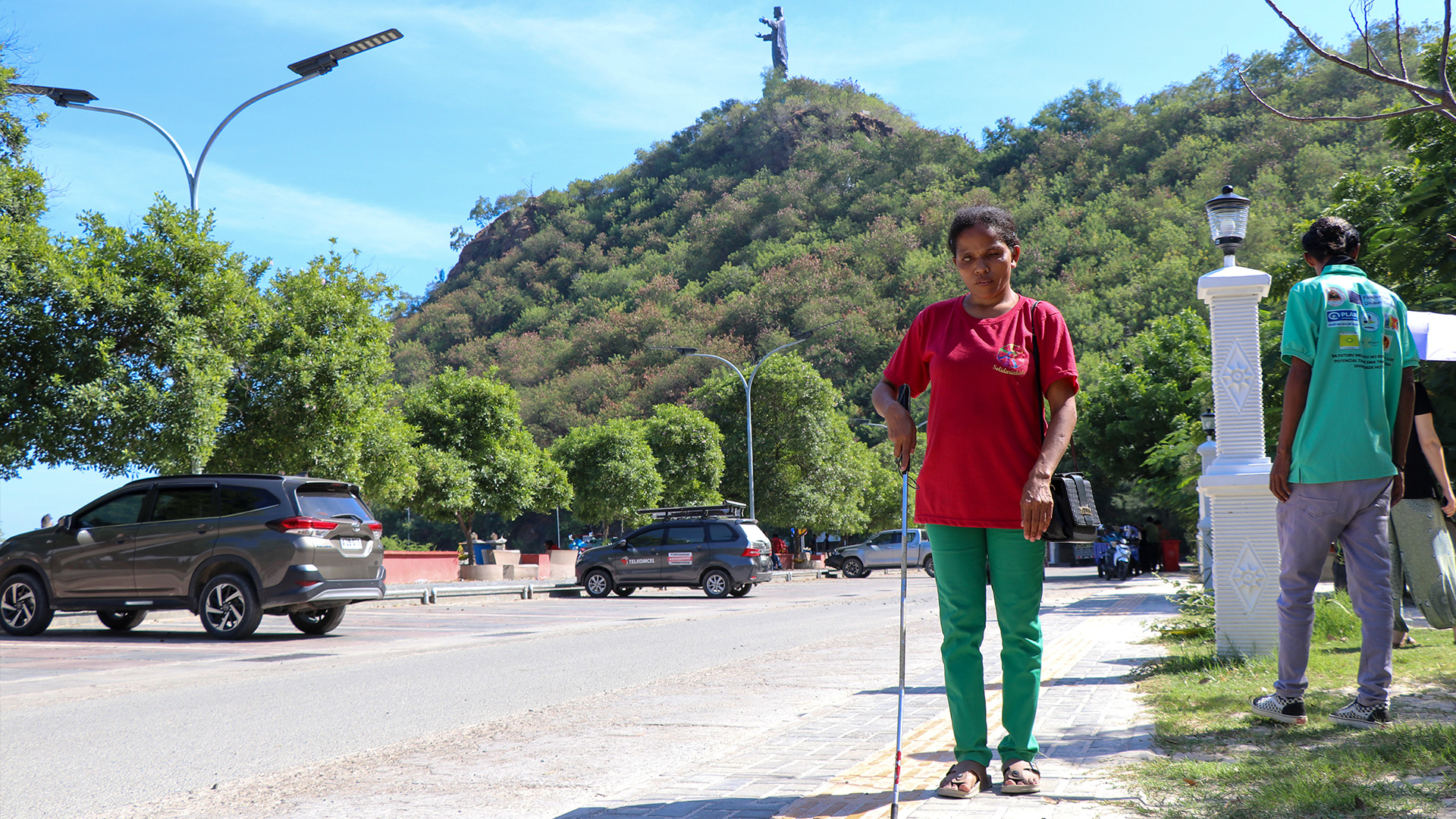
Timor-Leste Leads Globally with Disability Rights Based Budgeting
30/10/2025
In a landmark step for disability inclusion, Timor-Leste reached an important milestone by introducing disability budget markers into the 2026 State Budget.
This makes Timor-Leste only the second country in the world to introduce disability budget markers placing the country at the forefront of disability budgeting globally.
The reform helps ensure disability rights are considered more systematically in government planning and spending, strengthening national commitments to gender equality, disability and social inclusion.
Budget markers are tools that help governments identify, track and analyse spending related to specific priorities.
By introducing disability budget markers, Timor-Leste is creating a stronger framework to ensure disability inclusion, rights and equity is considered throughout the budgeting process, helping government agencies better understand how their investments support the rights and needs of people with disabilities.
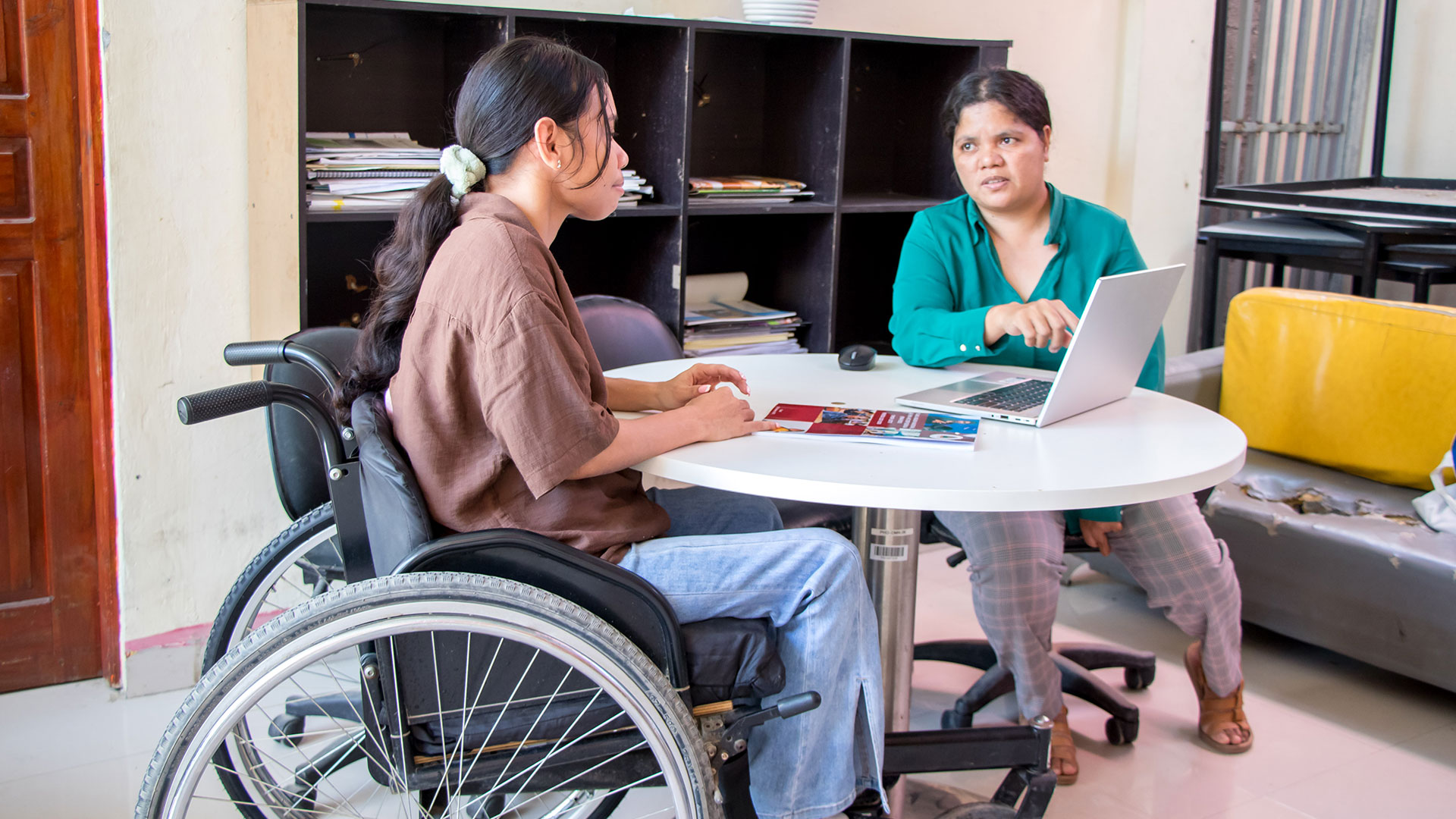
The achievement was the result of collaboration between the Government of Timor-Leste, organisations of people with disabilities (OPDs)and Australian-supported programs including PARTISIPA, the Partnership for Inclusive Prosperity (PROSIVU), the Partnership for Human Development (PHD) and other development actors like Oxfam and UNICEF.
PARTISIPA, alongside PHD and PROSIVU, played an important role in supporting the reform by sharing international learning on disability rights-based budgeting, strengthening OPDs' ability to engage in policy discussions, and helping inform the approach that was adopted by government.
At the same time, technical support helped government agencies apply the markers for the first time as part of the 2026 budget process.
A key feature of the reform was the active involvement of organisations of people with disabilities.
Through engagement and capacity strengthening, OPDs were better equipped to contribute to discussions about disability budgeting and advocate for approaches that reflect the rights and priorities of people with disabilities.
This helped ensure the reform was not only technical in nature but also grounded in the experiences and perspectives of those it is designed to benefit.
"The disability marker is important because it allows us to identify specific budget allocations within each Ministries budget lines that address the needs and rights of people with disabilities. Through meaningful collaboration between Organisations of Persons with Disabilities (OPDs), the Government, PROSIVU, PARTISIPA, and PHD, disability markers have been integrated into the budget book. Moving forward, we hope that each Ministry will be able to clearly allocate resources and budgets to support the inclusion and empowerment of people with disabilities.”
Rosalia Teresa Pereira, Program Manager for ADTL
The introduction of disability budget markers represents more than a change in budgeting processes.
It signals a stronger commitment to ensuring government planning and spending decisions consider the needs, rights and participation of people with disabilities.
The reform also creates a foundation for future work, with plans to support the rollout of disability budget markers to municipal authorities and further strengthen disability rights-based budgeting across Timor-Leste.
As one of the few countries to adopt disability budget markers, Timor-Leste is demonstrating how national budget systems can support disability rights, equity and accountability.
The achievement highlights the country's growing leadership in inclusive governance and shows how collaboration between government, OPDs and development partners can drive meaningful policy change.
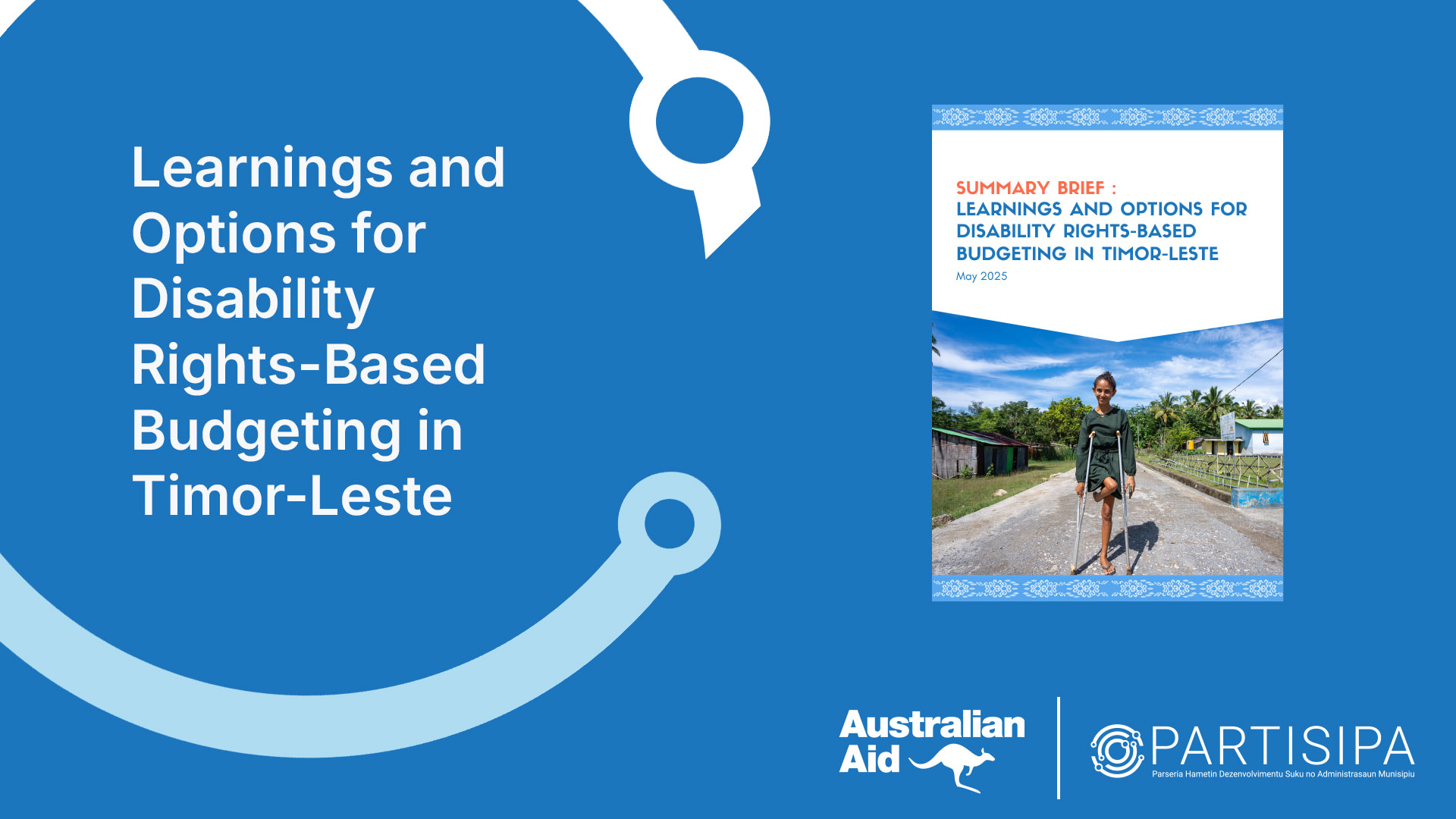
This brief aims to inform discussions on priorities and options for disability rights-based budgeting in Timor-Leste, exploring the potential integration of disability markers and other approaches into the budgeting and planning system. It draws insights from gender-responsive budgeting in Timor-Leste, as well as literature and global best practices on disability rights-based budgeting.