Water Scarcity Mapping: Communities Planning for a Hotter, Drier Future
19/12/2025
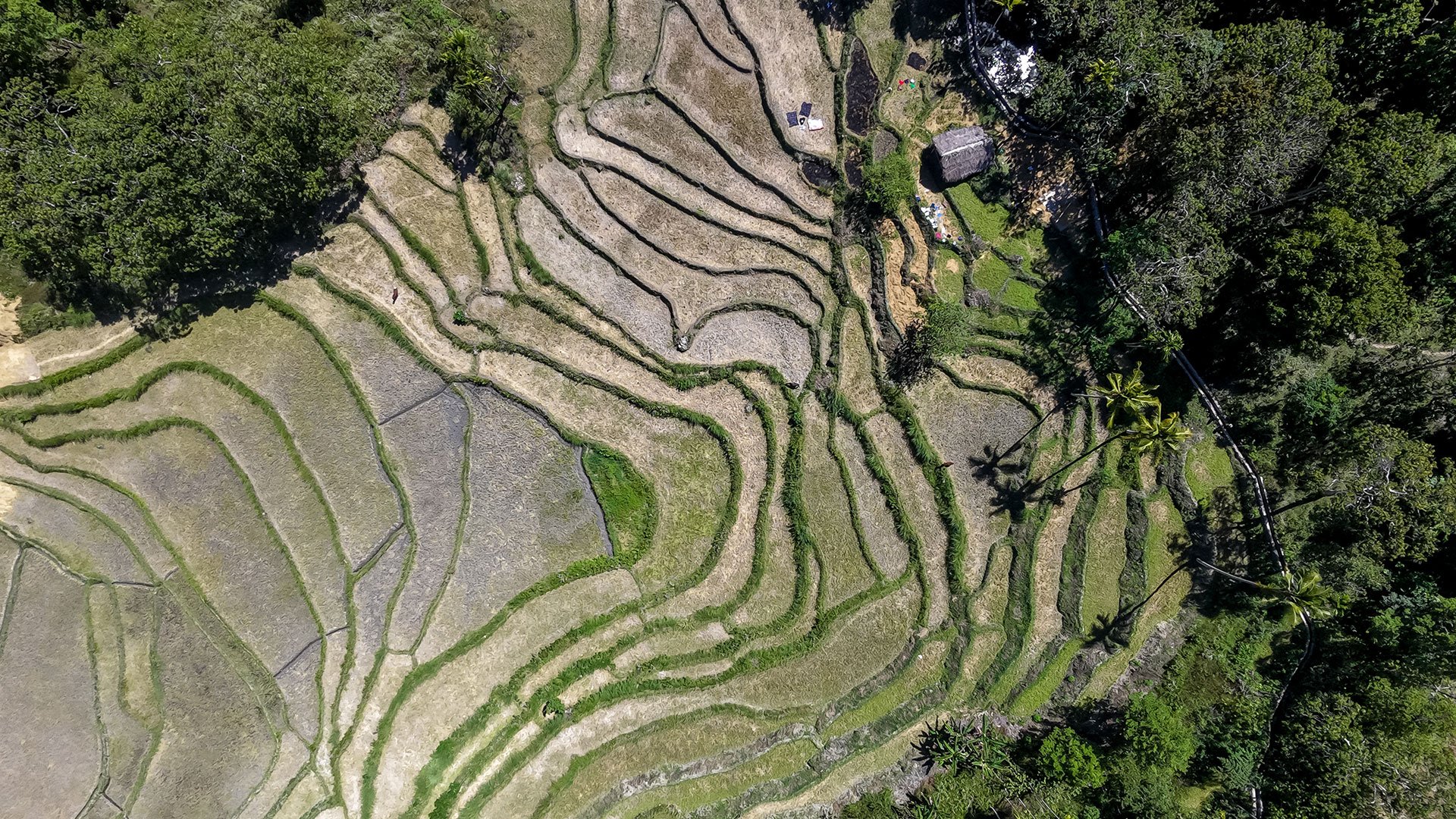
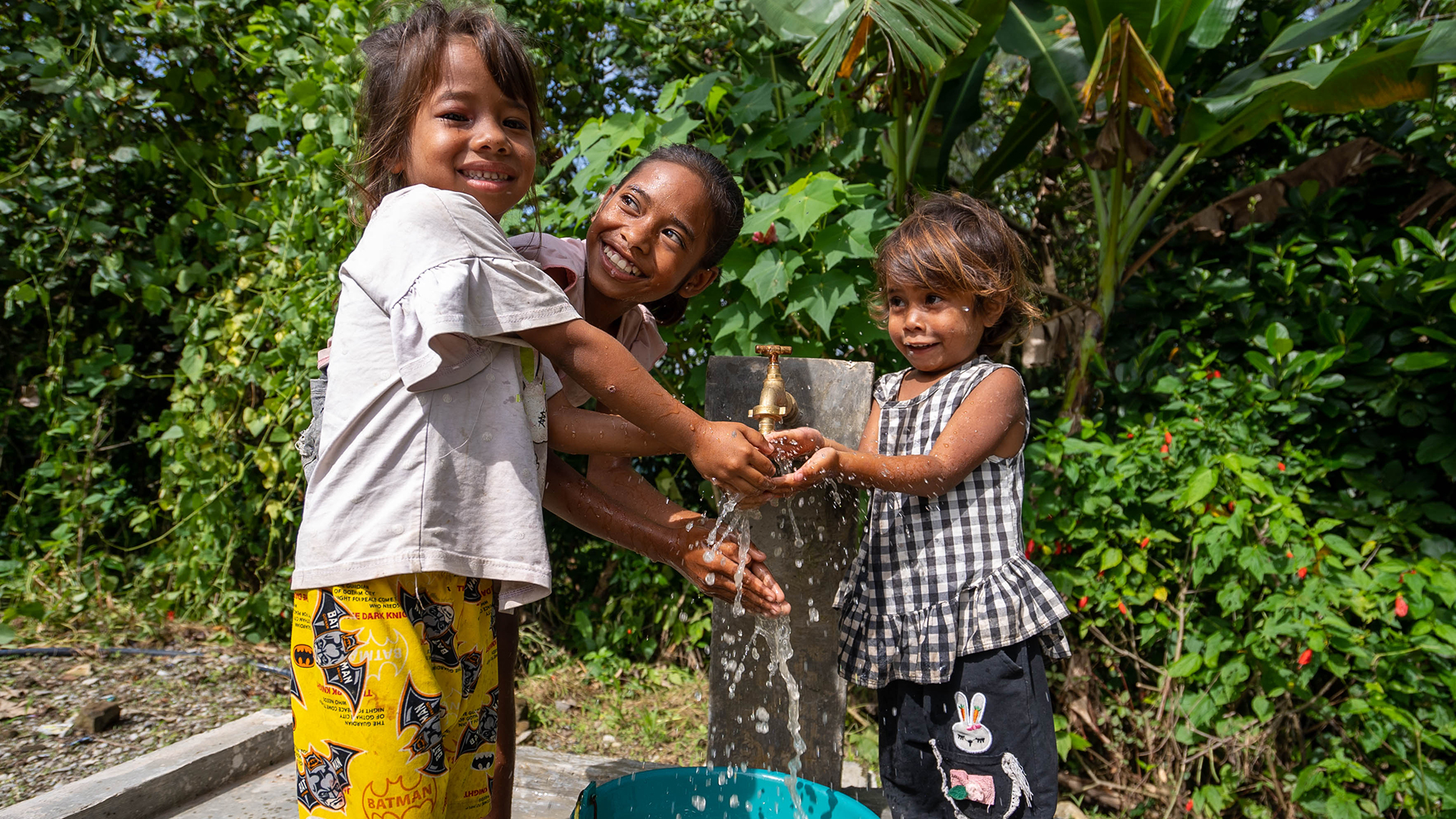
Across Timor-Leste, communities depend on reliable water sources for daily life. But changing rainfall patterns, prolonged dry seasons and difficult terrain make it increasingly challenging to ensure safe and sustainable water access for everyone.
Without comprehensive information on where water is available - and where shortages are most severe - planning effective investments has been difficult.
To help address this challenge, the Government of Timor-Leste, through the National Directorate of Rural Water and Sanitation (DNRAS) and Municipal Services for Water, Sanitation and Environmental Services (SMASA) teams, is working with the Australian Government through PARTISIPA to map water scarcity and strengthen climate-resilient planning.
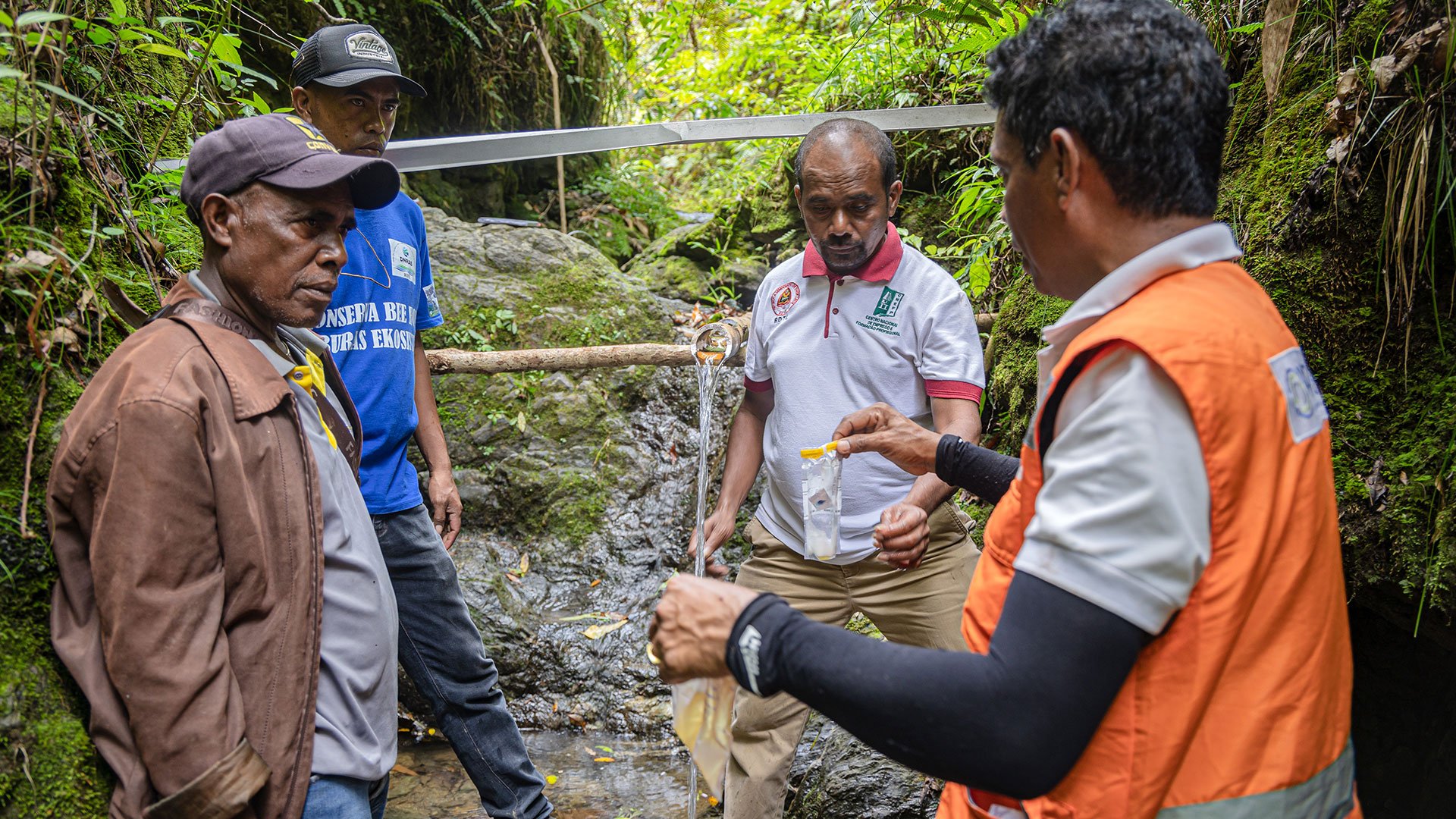
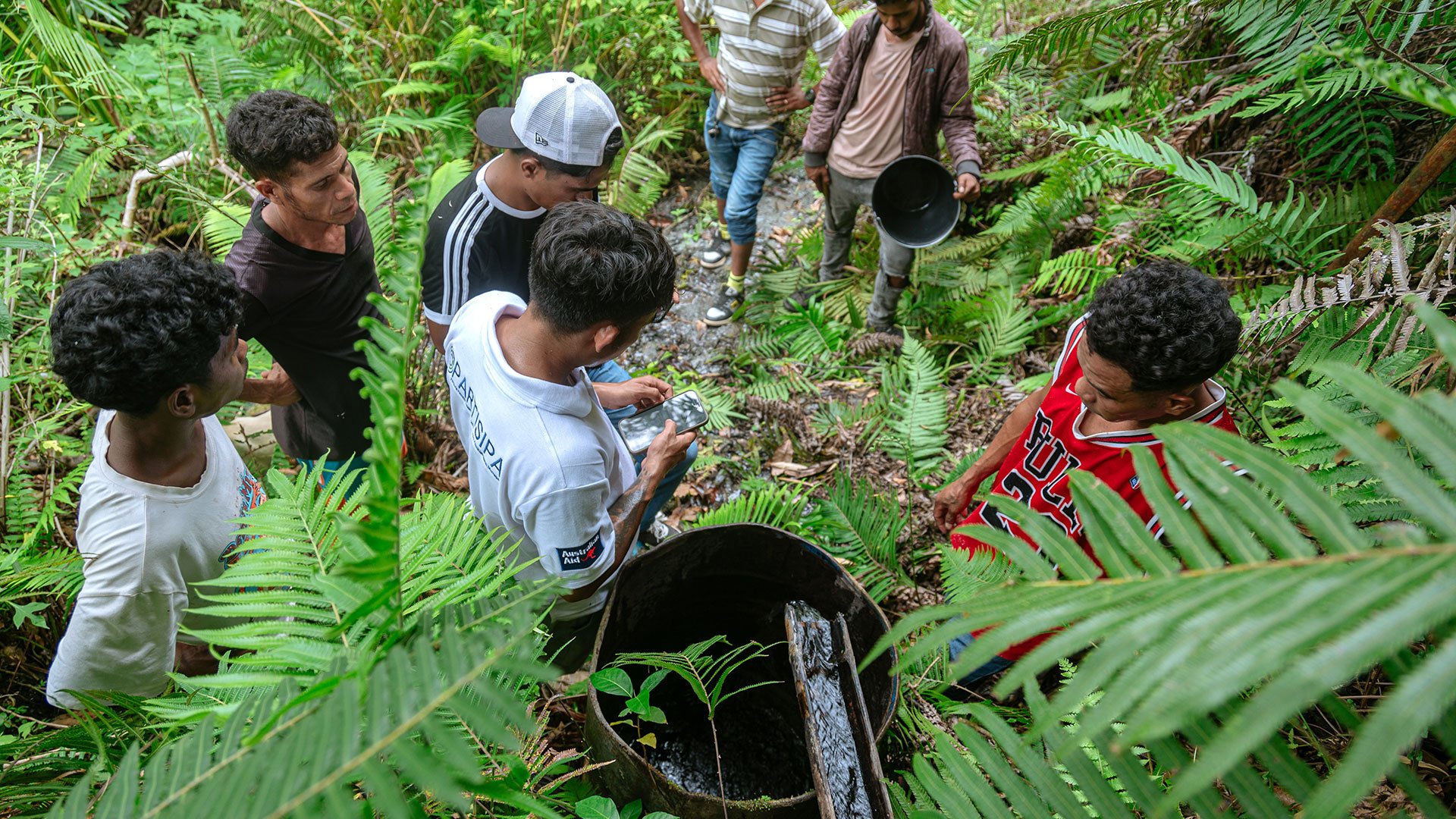
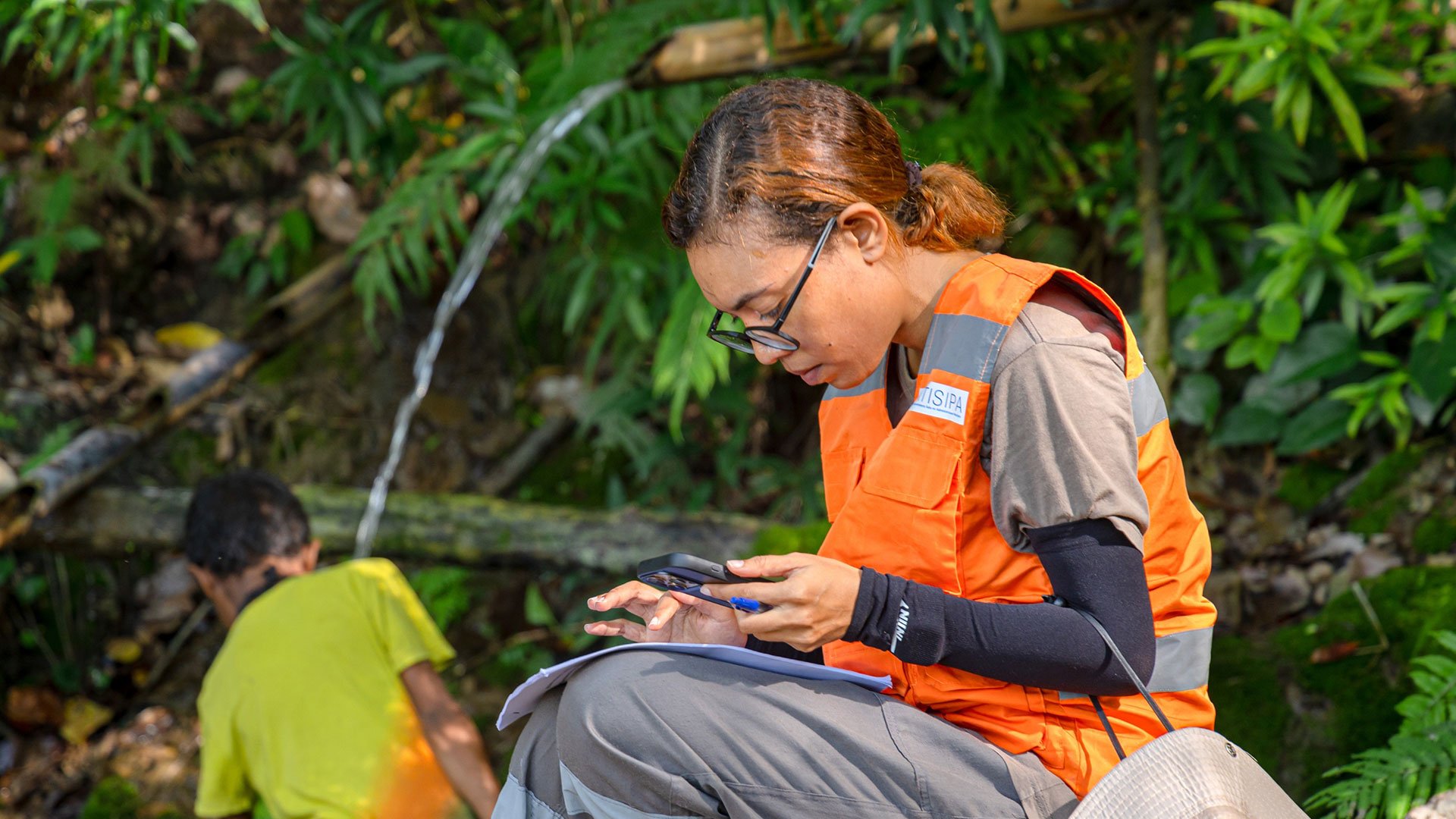
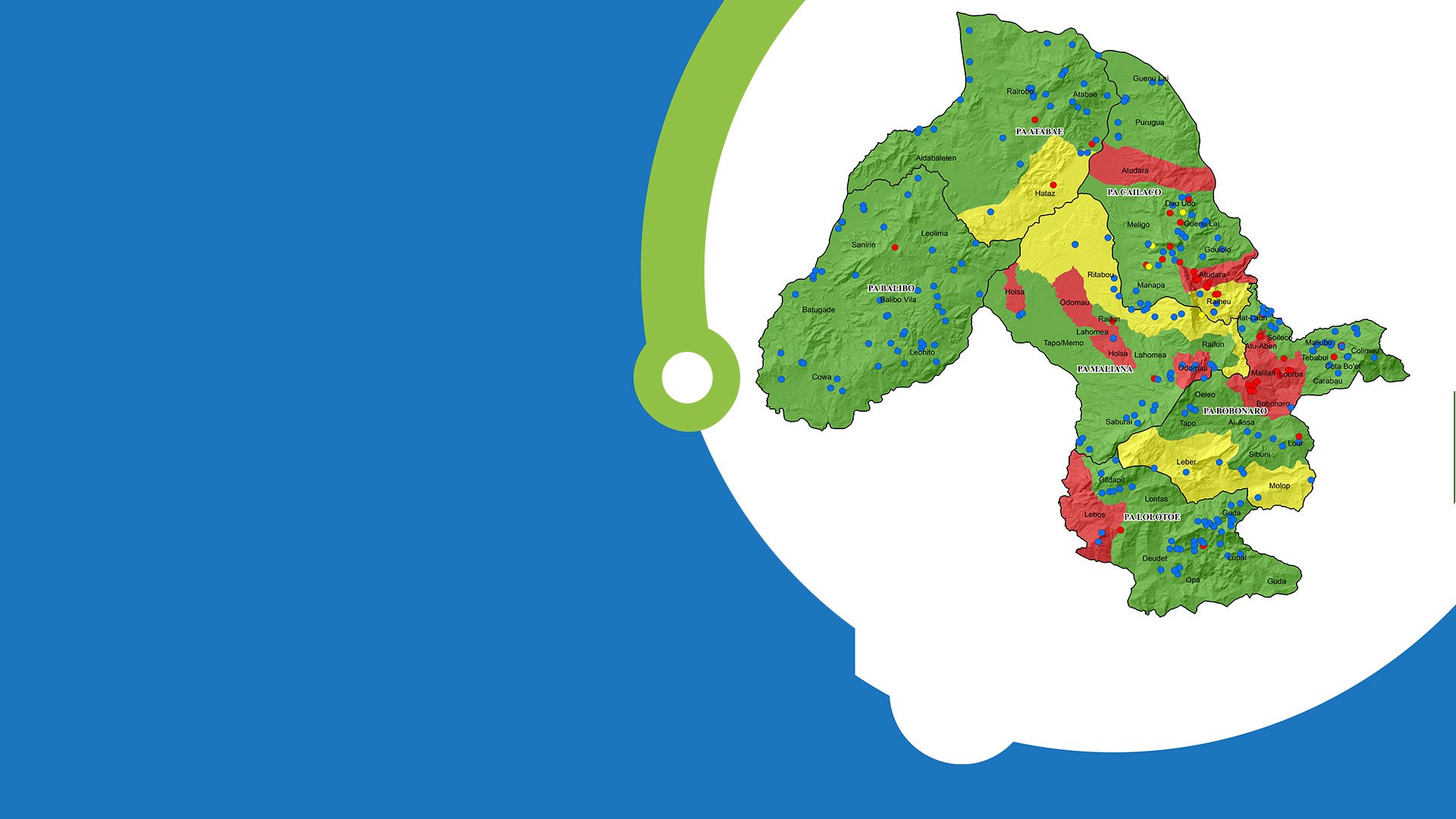
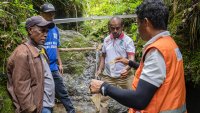
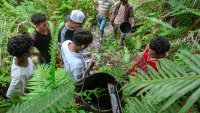
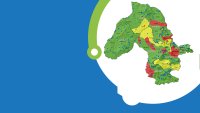
Water scarcity mapping helps identify, record and analyse water sources, particularly during the dry season, to understand which communities face the greatest risks of water shortages.
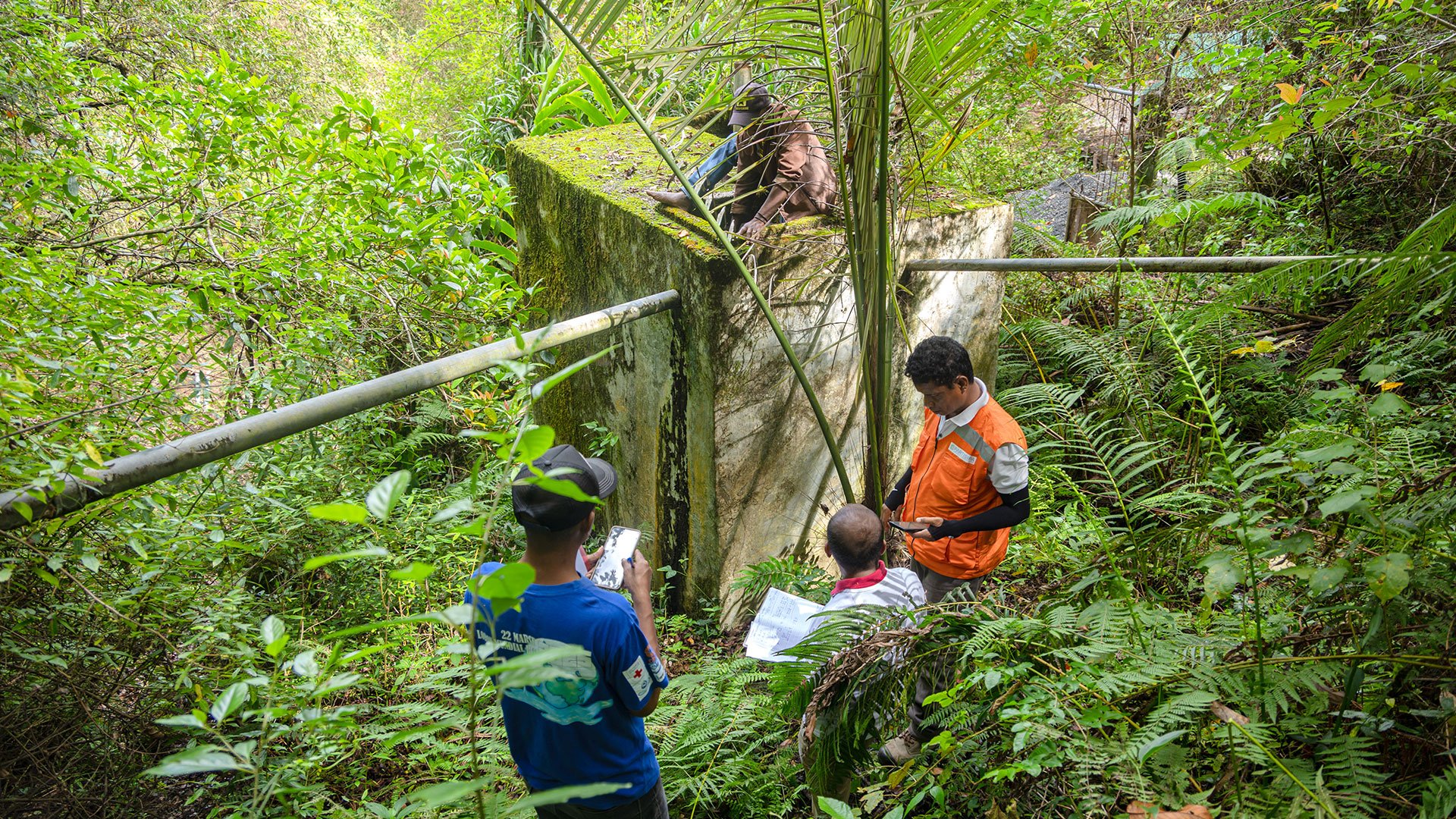
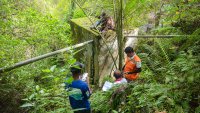
The initiative began in Bobonaro in 2024 and expanded in 2025 to Baucau, Ermera and Manatuto. Working across 197 Sukus, government teams collected information on local water sources, often travelling to remote and dispersed communities to gather critical data.
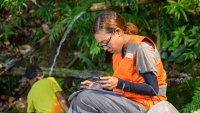
The work documented 1,129 water sources, including those at risk of drying up during the dry season, and produced detailed maps and datasets that can guide future planning and investment decisions.
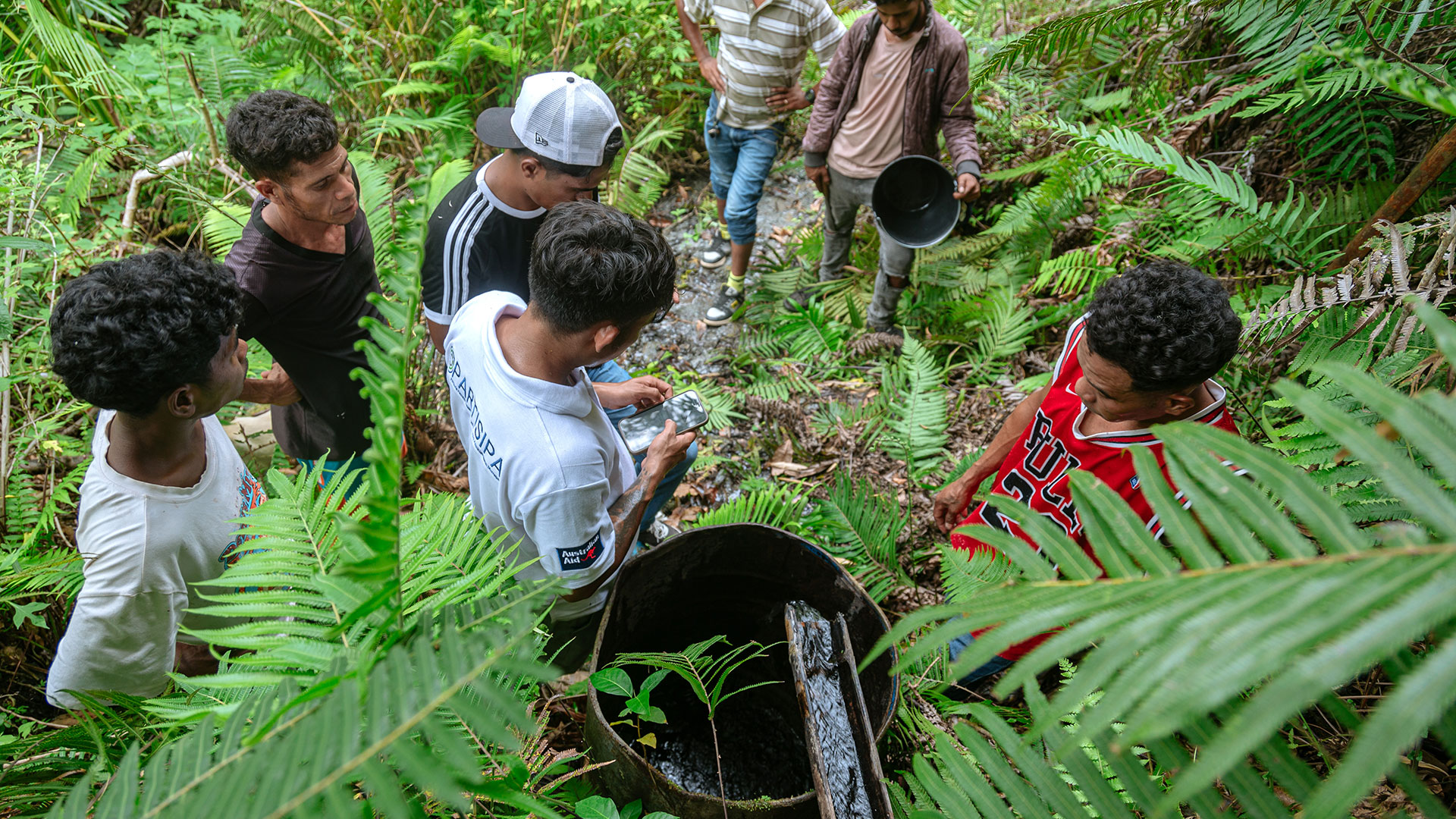
Beyond collecting information, PARTISIPA has worked closely with teams on the ground, strengthening the ability of municipal teams to manage water resources through training in field measurement, data collection and planning.
This locally led approach is helping government authorities better understand the impacts of climate variability and make more informed decisions about where investments are needed most.
The results are already influencing real-world decisions.
Bobonaro has integrated water conservation measures into its 2026–2030 Municipal Development Plan, while Ermera is using the data to address water quality and access challenges. The Government of Timor-Leste has also invested its own resources to expand water scarcity mapping to Atauro and Maubisse, demonstrating growing national ownership of the approach.
Strong interest in the initiative has also led to plans to expand mapping activities to Covalima and Viqueque in 2026, while continuing work in other municipalities. In phase 2, PARTISIPA will work towards a new data collection arrangement involving Suku staff. This more sustainable approach will build the capacity of local leaders and government agencies to take forward water scarcity mapping in the future. Findings have also been shared with municipalities and partners including REZILIÉNSIA and the World Bank to support broader learning on climate-resilient water management.
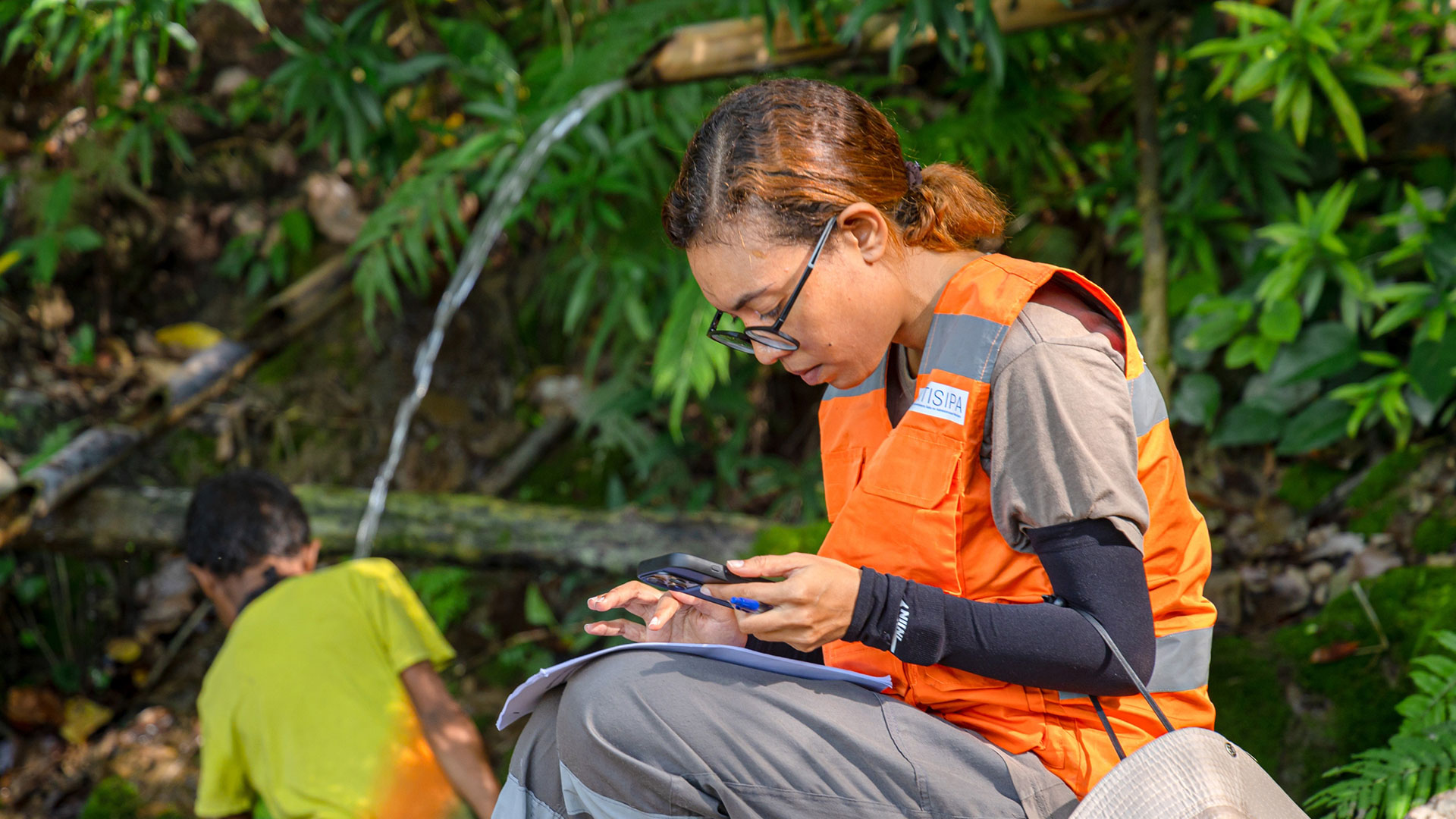
As climate pressures increase, reliable local data is becoming increasingly important for ensuring communities have secure access to water. Water scarcity maps will feed data into the Government of Timor-Leste's WASH information system (SIBS) to enable climate-informed planning and decision making across the country.
By combining Australian Government support through PARTISIPA with strong leadership from Timorese institutions, water scarcity mapping is helping communities, municipalities and the national government make smarter decisions today to prepare for a hotter, drier future.